How to Sleep Fast at Night?

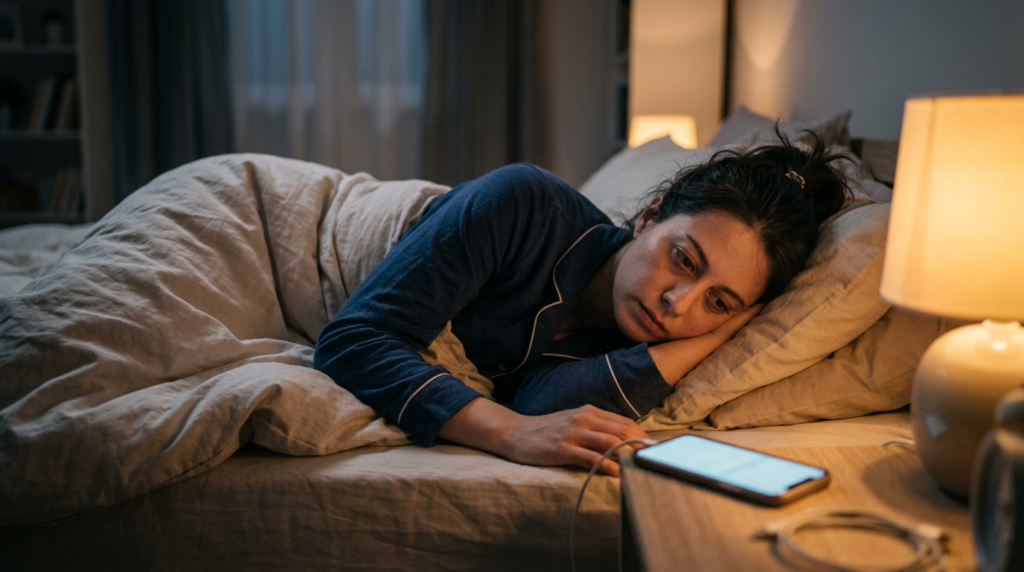
Some nights, falling asleep feels impossible.

You’re tired. You go to bed.

You close your eyes.

And then… your brain suddenly decides it’s time to replay the whole day, think about tomorrow, and remember something embarrassing from five years ago.

If that sounds familiar, you’re definitely not the only one.

The good news is, you don’t need a perfect routine or expensive sleep gadgets to start sleeping better. In many cases, small changes to your bedroom, habits, and mindset can help you fall asleep faster.

In this guide, we’ll go through simple, realistic tips to answer the question of how to sleep fast that you can try tonight.

Why Is It So Hard to Fall Asleep?

Before fixing the problem, it helps to understand what might be causing it.

A lot of people struggle to fall asleep because their body is tired, but their mind is still 'on". That can happen because of stress, late-night scrolling, caffeine, room temperature, or an inconsistent sleep schedule.

Sleep habits matter more than people think. The CDC recommends keeping a consistent sleep schedule, keeping the bedroom cool and relaxing, turning off electronics before bed, and avoiding caffeine later in the day.

So if you can't fall asleep fast, it doesn't mean something is wrong with you.

Sometimes your body just hasn't been given the right signals yet.

Woman practicing slow breathing on bed before sleep


1. Try a Simple Breathing Routine

This is probably the easiest place to start.

When your breathing slows down, your body usually starts to calm down too. You don’t have to do anything fancy.

Try this:

  1. Breathe in slowly through your nose
  2. Hold for a moment
  3. Breathe out slowly through your mouth
  4. Repeat for 2–5 minutes

The goal is not to “force” sleep. The goal is to give your body something calm and repetitive to focus on.

Relaxation and meditation techniques are commonly used to help people relax and fall asleep faster, especially when stress or tension keeps the mind active.

A simple way to think about it:

Don’t chase sleep. Just slow everything down.

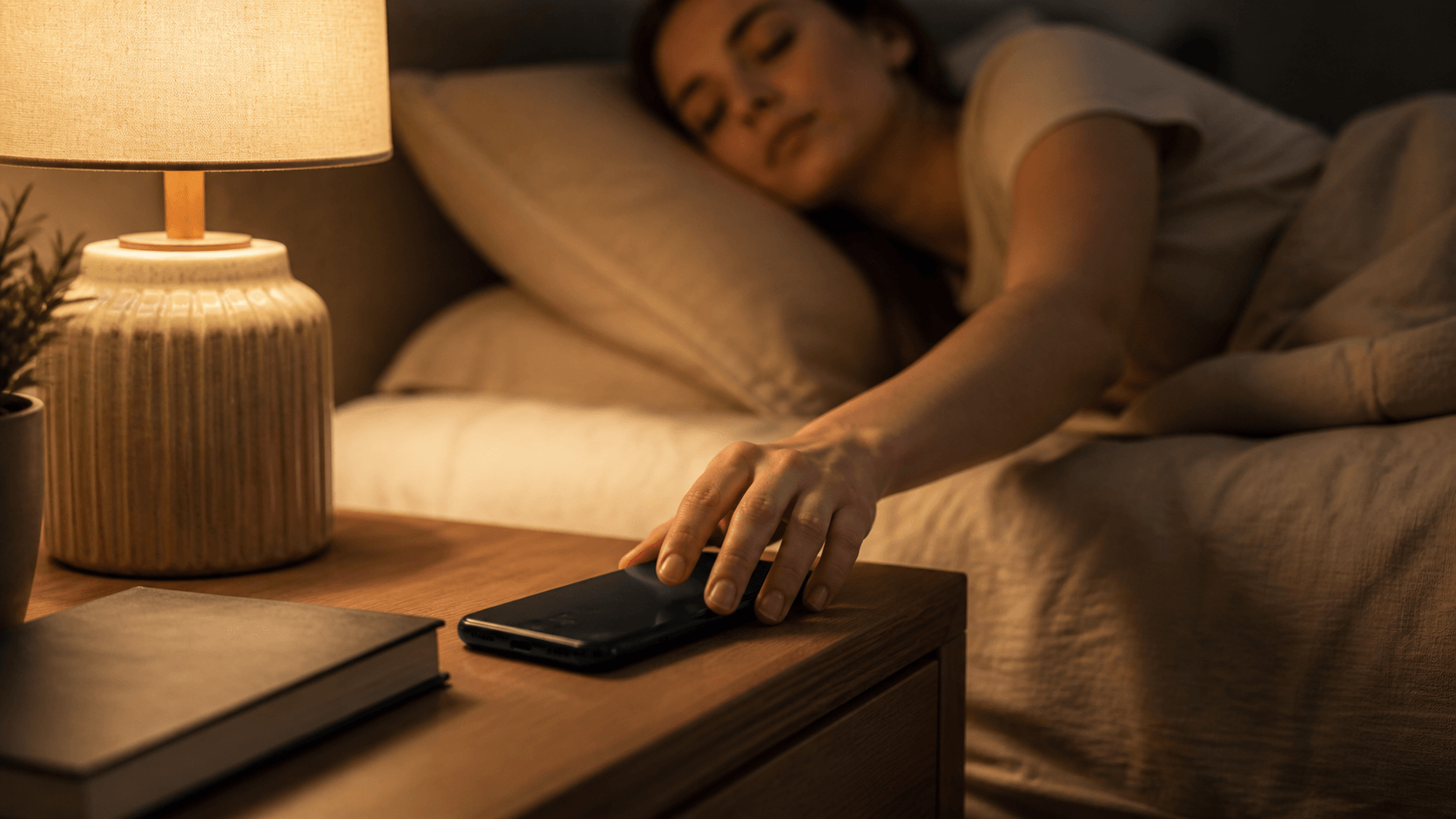
2. Put Your Phone Away Earlier

This one is annoying because we all know it… but it works.

Your phone keeps your brain busy. Even if you’re just watching “one more video,” your mind is still being fed new information.

And honestly, one video usually becomes twenty.

Try putting your phone away 30 minutes before bed. The CDC specifically recommends turning off electronic devices at least 30 minutes before bedtime as part of better sleep habits.

Instead, you can do something boring in a good way:

  • read a few pages
  • stretch lightly
  • tidy your bedside table
  • prepare clothes for tomorrow
  • listen to calm music

The point is to make bedtime feel like a landing, not another round of scrolling.

Cozy dark bedroom with warm bedside lamp for better sleep

3. Make Your Bedroom Feel Like Sleep

Your bedroom doesn’t need to look like a luxury hotel.

But it should feel like a place where your body can relax.

A good sleep environment is usually:

  • dark
  • quiet
  • cool
  • comfortable

The CDC’s NIOSH sleep guidance also notes that a very dark, quiet, cool, and comfortable sleep environment can improve sleep.

A few simple fixes:

  • close the curtains
  • lower the room temperature
  • use softer lighting
  • keep your bed clean
  • remove clutter around the bed

This sounds basic, but it matters.

If your room feels chaotic, your brain may stay alert. If your room feels calm, sleep usually feels easier.

4. Don’t Go to Bed Stuffed or Hungry

Food can affect sleep more than people realize.

A heavy meal right before bed can make you feel uncomfortable. But going to bed hungry can also keep you awake.

The Mayo Clinic recommends avoiding heavy or large meals within a couple of hours of bedtime because discomfort can keep you up. It also warns that caffeine and nicotine can take hours to wear off and interfere with sleep.

A simple rule:

Eat enough to feel comfortable, but don’t make your stomach work overtime while you’re trying to sleep.

If you need something small, keep it light.

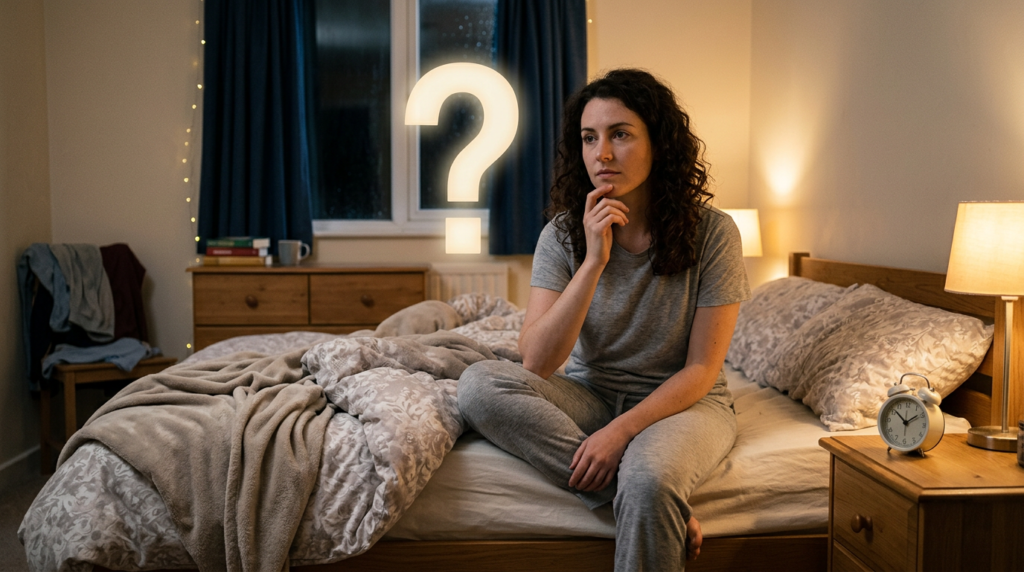
5. Keep a Consistent Sleep Schedule
This one is boring, but it’s powerful.

Going to bed and waking up at totally different times every day can confuse your body. Your body likes rhythm.

Try to wake up around the same time daily, even on days off.

You don’t need to be perfect. But if your schedule is all over the place, falling asleep fast becomes harder.

A consistent bedtime and wake-up time are part of healthy sleep habits recommended by the CDC.

Person putting phone away before bedtime to fall asleep faster

6. Stop Trying Too Hard to Sleep

This one sounds weird, but it’s true.

Sometimes the harder you try to sleep, the more awake you feel.

You start thinking:

“Why am I not asleep yet?”
“I need to wake up early.”
“Tomorrow is going to be awful.”

And suddenly, sleep feels even further away.

If you’ve been lying awake for a while, try getting out of bed and doing something quiet for a few minutes. Keep the lights low. Do something calm. Then come back when you feel sleepy again.

The NHS advises not forcing sleep and recommends relaxing before bed as part of better sleep habits.

Basically, don’t turn your bed into a stress zone.

7. Use Comfort as a Sleep Tool

Sometimes the problem isn’t your brain.

Sometimes your bedding is just not helping.

If your pillow is too flat, your neck might feel tense. If your blanket is too warm, you might overheat. If your mattress feels uncomfortable, your body may keep shifting around.

Small comfort upgrades can help, especially if you often wake up sore or restless.

For example:

  • a supportive pillow can help with neck comfort
  • breathable bedding can help hot sleepers
  • a cozy comforter can make the bed feel more relaxing
  • a cooling topper can help if your mattress traps heat

This is where you can naturally link to your product posts:

Helpful guides:

Quick Night Routine You Can Try Tonight

Here’s a simple 30-minute routine:

30 minutes before bed:
Put your phone away.

20 minutes before bed:
Dim the lights and make your room cooler.

10 minutes before bed:
Do slow breathing or light stretching.

When you get into bed:
Focus on relaxing your body, not forcing sleep.

That’s it.

Nothing complicated.

Just a small routine your body can start recognizing.

Final Thoughts

Falling asleep fast is not about forcing your body to shut down.

It’s about giving your body the right signals.

A calmer room, a slower routine, less screen time, and more comfortable bedding can all help.

Start small tonight.

Put the phone away a little earlier. Dim the lights. Take a few slow breaths.

Sometimes better sleep starts with one simple change.

Scroll to Top